
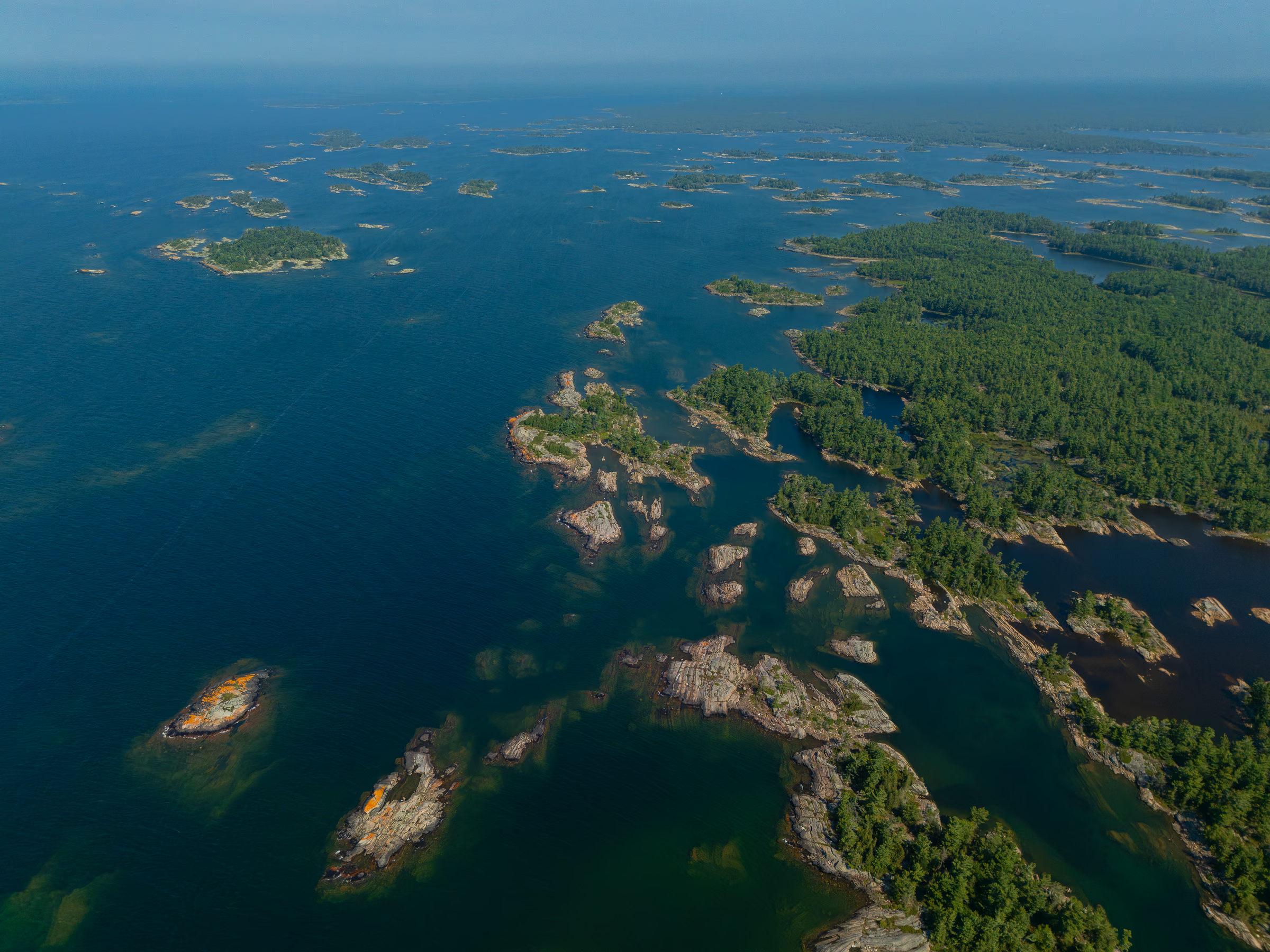
Last August, I returned to the archipelago around Franklin Island on Georgian Bay. I’ve now visited this location three times in as many years, and plan to continue the tradition in 2026 and onwards — the region is simply too beautiful, and too close to home, not to revisit periodically. This trip differed from our first visit (when we discovered it) and our second (when we left early because Porthos injured himself — he has since recovered) because it was my first solo overnight camping trip, on Crown land or otherwise.
The Plan
I had planned to make the trip earlier in the summer, but those plans were shelved by factors beyond my control, and I didn’t set out until 10 August. My goal was to spend Sunday and Monday night camping, then leave on Tuesday afternoon. It would allow plenty of time to relax and explore the island.
Aside from being my first solo trip, it was also a test run for later adventures, including my La Cloche Silhouette hike. I had recently acquired a new tent, sleeping bag, sleeping pad, and a large waterproof backpack to keep everything secure while paddling, and I wanted to see how they would perform in a familiar environment. I also brought a few new electronic toys: a waterproof action camera, a gimbal-stabilised video recorder, and a drone. The drone was especially useful—it was the camera for some of the photos below.
The Trip
As usual, everything ran late. I left the house later than planned and stopped at MEC in Barrie to buy a new water filter. It was about 17:00 by the time I paddled out from the marina. As I rounded the bend past the cove and into open water, I encountered my first solo-specific problem: the wind kept turning the canoe off course. My recollection is hazy five months later, but I remember placing my heavy waterproof backpack against the bow to balance the weight and keep the bow from riding too high and catching the wind. Even so, the wind kept pushing the front of the canoe around, and with so much weight loaded far ahead of me, correcting the rotation became difficult. Once the bow started to swing, I was fighting torque from a position near the stern, where I had almost no leverage.
My initial (and natural) instinct was to power through, but I abandoned that quickly once it became clear I would exhaust myself long before losing sight of Dillon’s Cove.
Those attempts made the mistake and the solution obvious. I allowed the wind to push me up against a rock and unloaded my gear. I then switched to the bow seat and faced backwards, effectively paddling with the stern as the new bow. After that, I reloaded my gear to balance the trim for the new seating position. With the weight of my gear and the power of my strokes more centred, the canoe handled properly and stopped letting the wind dictate its direction.
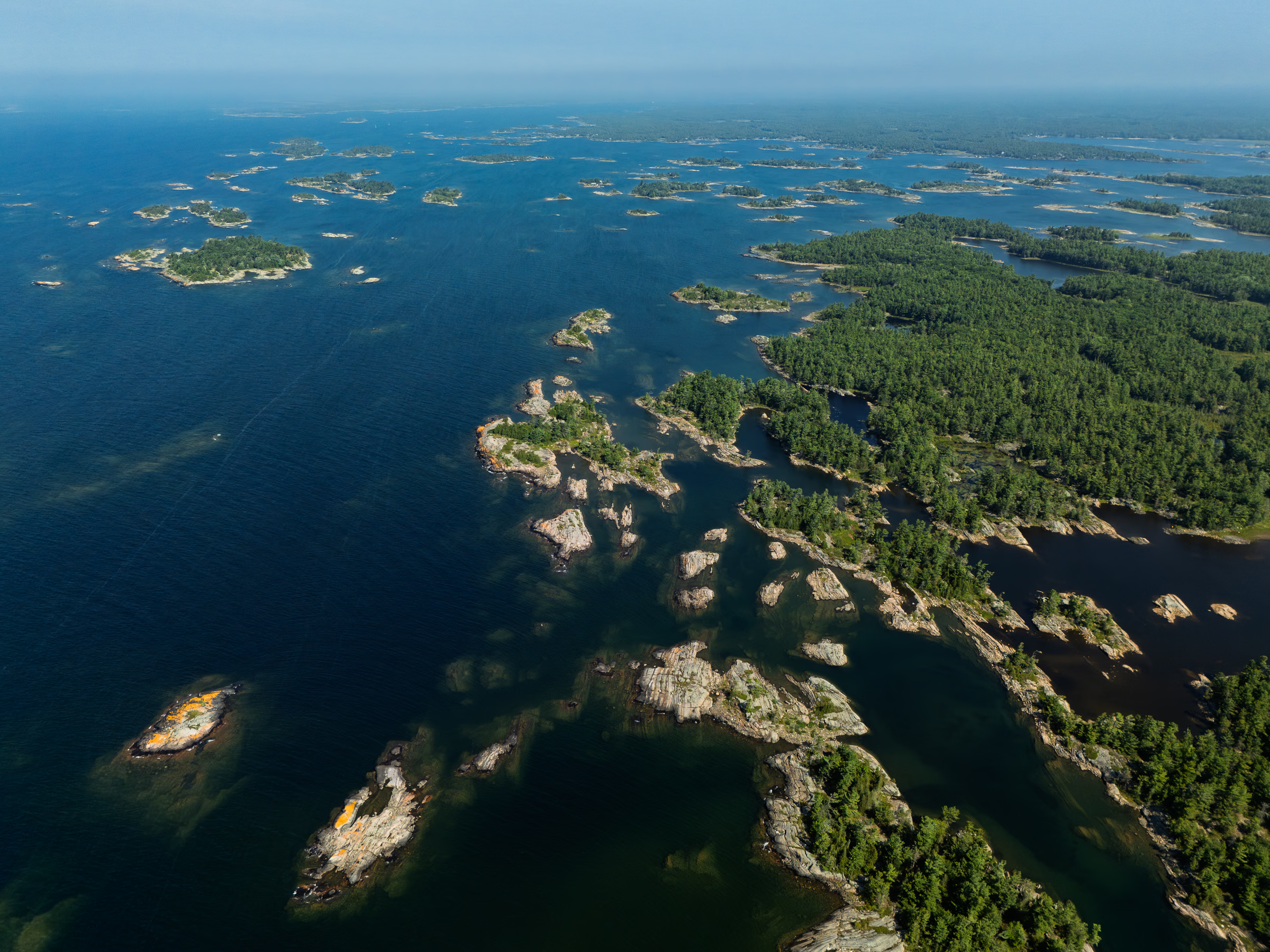
About an hour later, as my destination island came into view, I noticed what looked like tents on its northern side. A quick check through my monocular confirmed it. This was a disappointment: it was past 18:00, and I no longer had a familiar island to camp on. I briefly considered landing there anyway—it is large, with ample space for multiple campsites on both sides—but I’mstill unsure about Crown land etiquette regarding proximity, and I didn’t feel comfortable imposing on strangers.
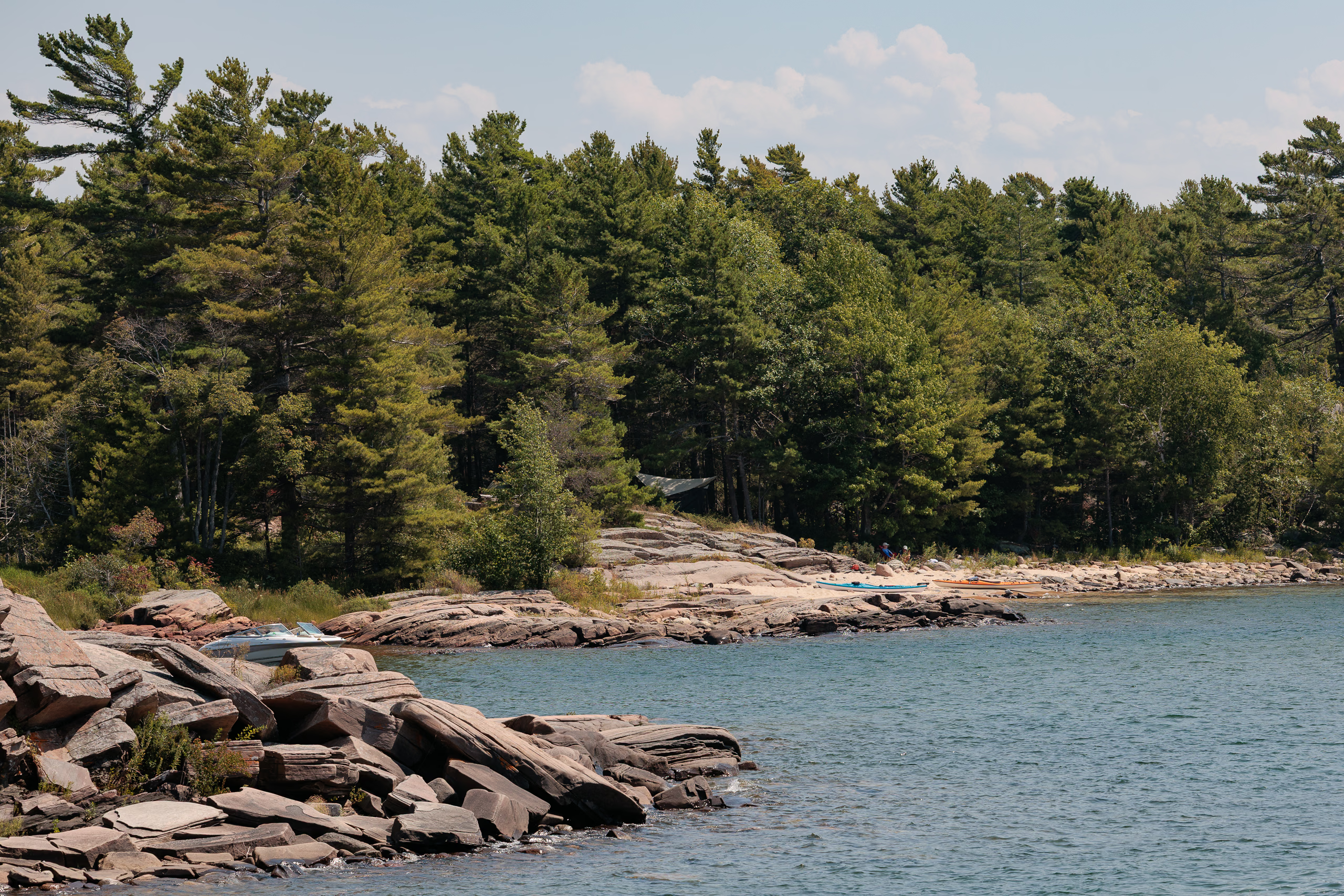
I continued paddling south towards a group of islands where we’d previously seen campers. The first two islands weren’t appealing, but the third looked promising. I pulled into a small rocky inlet and called out so as not to startle anyone who might be there. When no one answered, I found a well-established campsite with a crude cooking area centred around a filthy plastic banquet table, level ground beneath the trees for a tent, and a thunderbox deeper in the woods. The real appeal lay just beyond the treeline, where the path gradually turned sandy and opened onto a sheltered beach framed by granite striations. This was the island worth staying on.
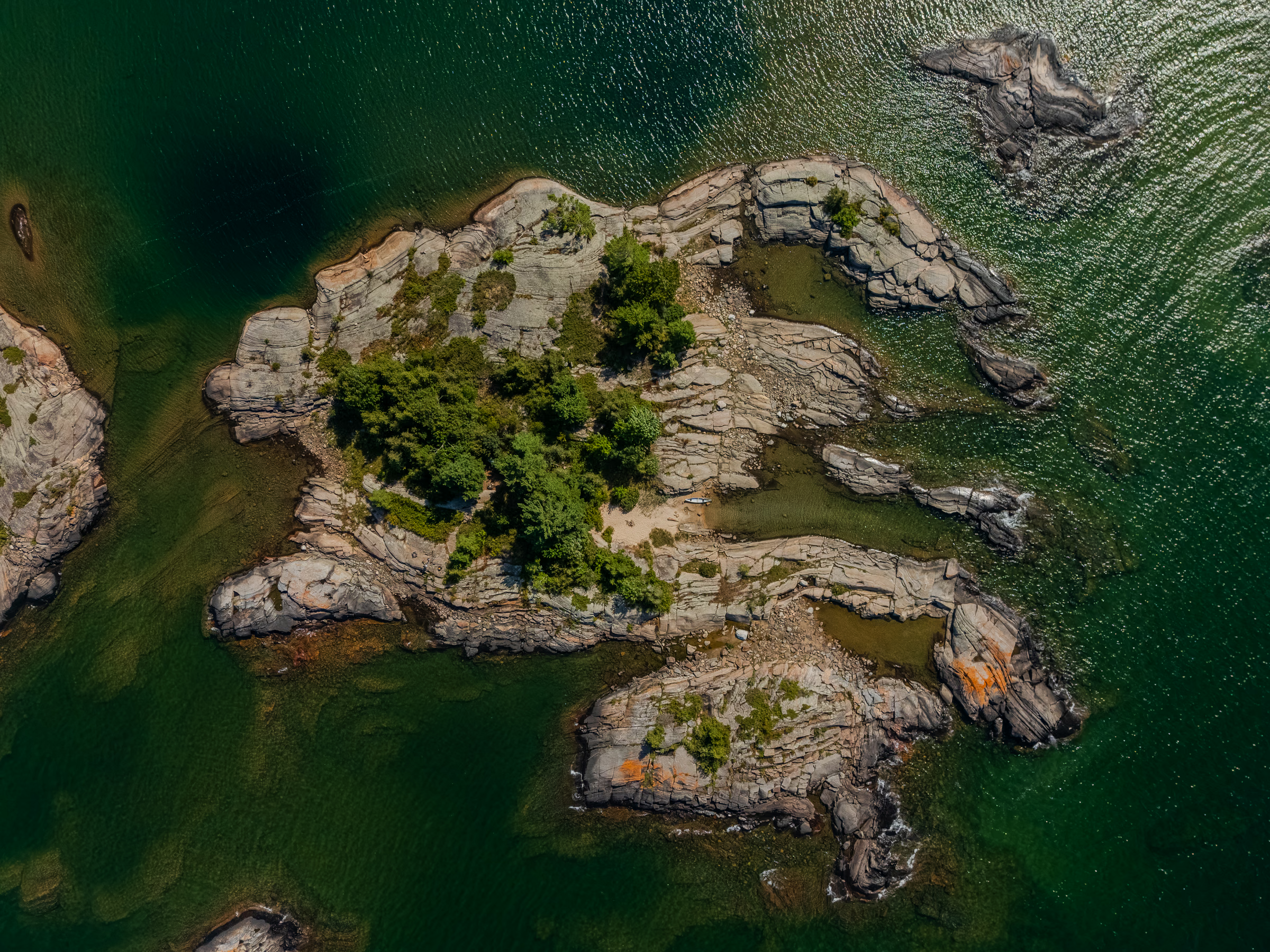
I circled back to the beach by canoe. Since I was overheated, I waded in fully clothed and immediately regretted it, as the soaked fabric became heavy and slow to dry. After setting up camp and organising my gear, I ate my first meal of the day while surrounded by dense flies and mosquitos. The heat and still air persisted into the night, and I slept poorly.
In the morning, I explored the rocky east side of the island. As the day warmed, more people appeared on nearby islands and beaches. After a late breakfast, I swam in the shallows and then launched the drone, partly for photos and partly to scout alternatives, since I didn’t want to spend another night in a wind-sheltered mosquito haven.
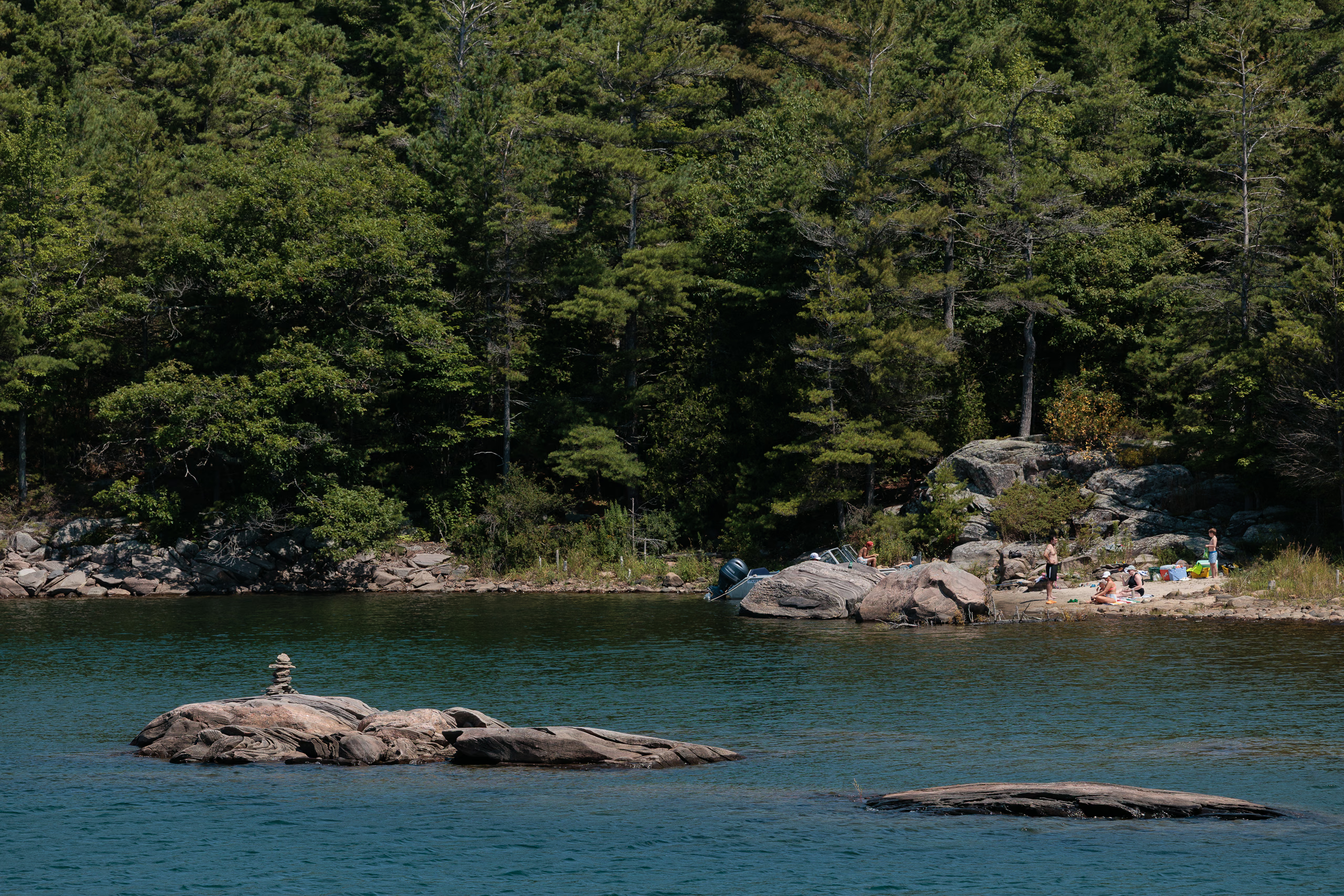
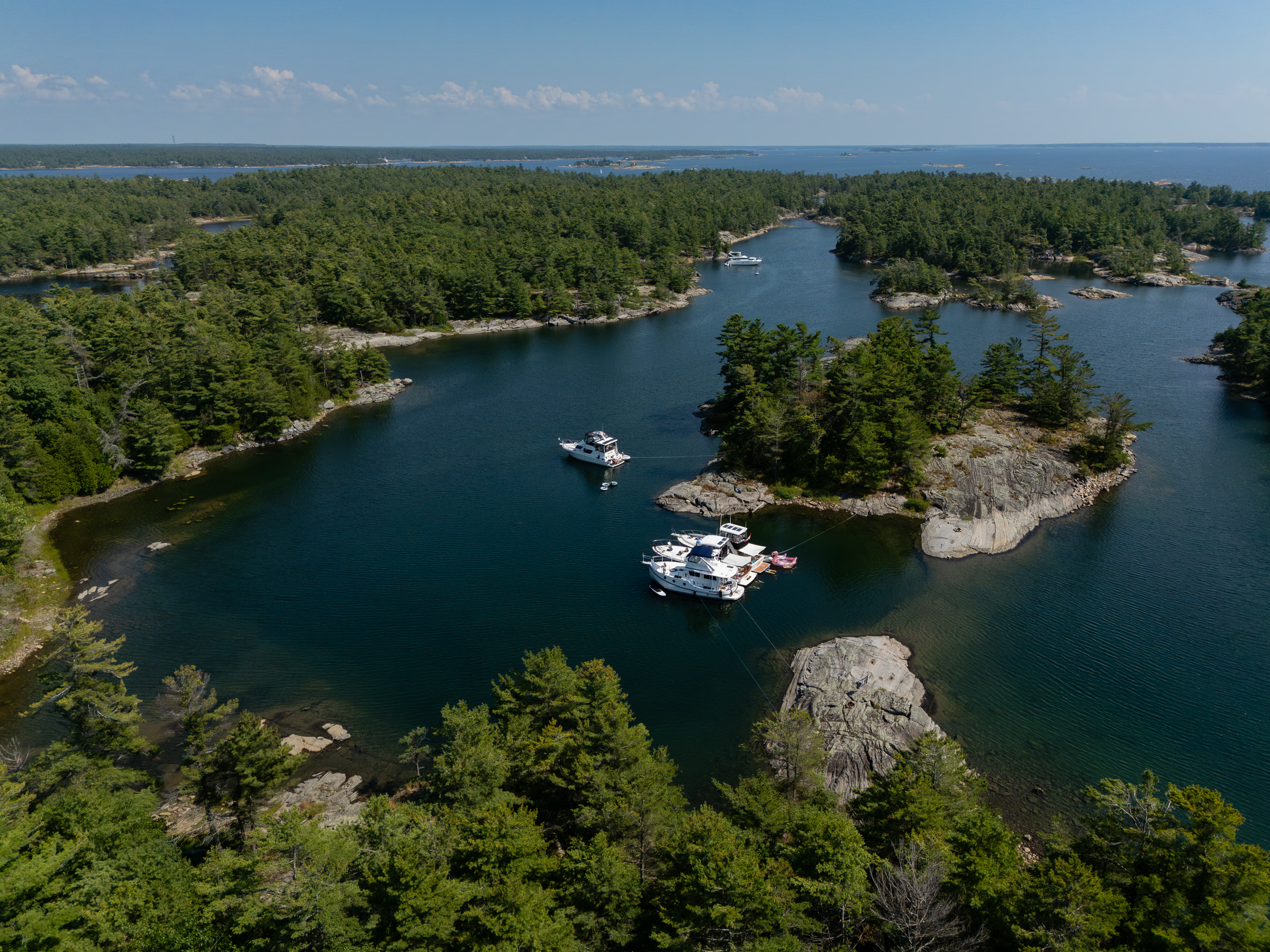
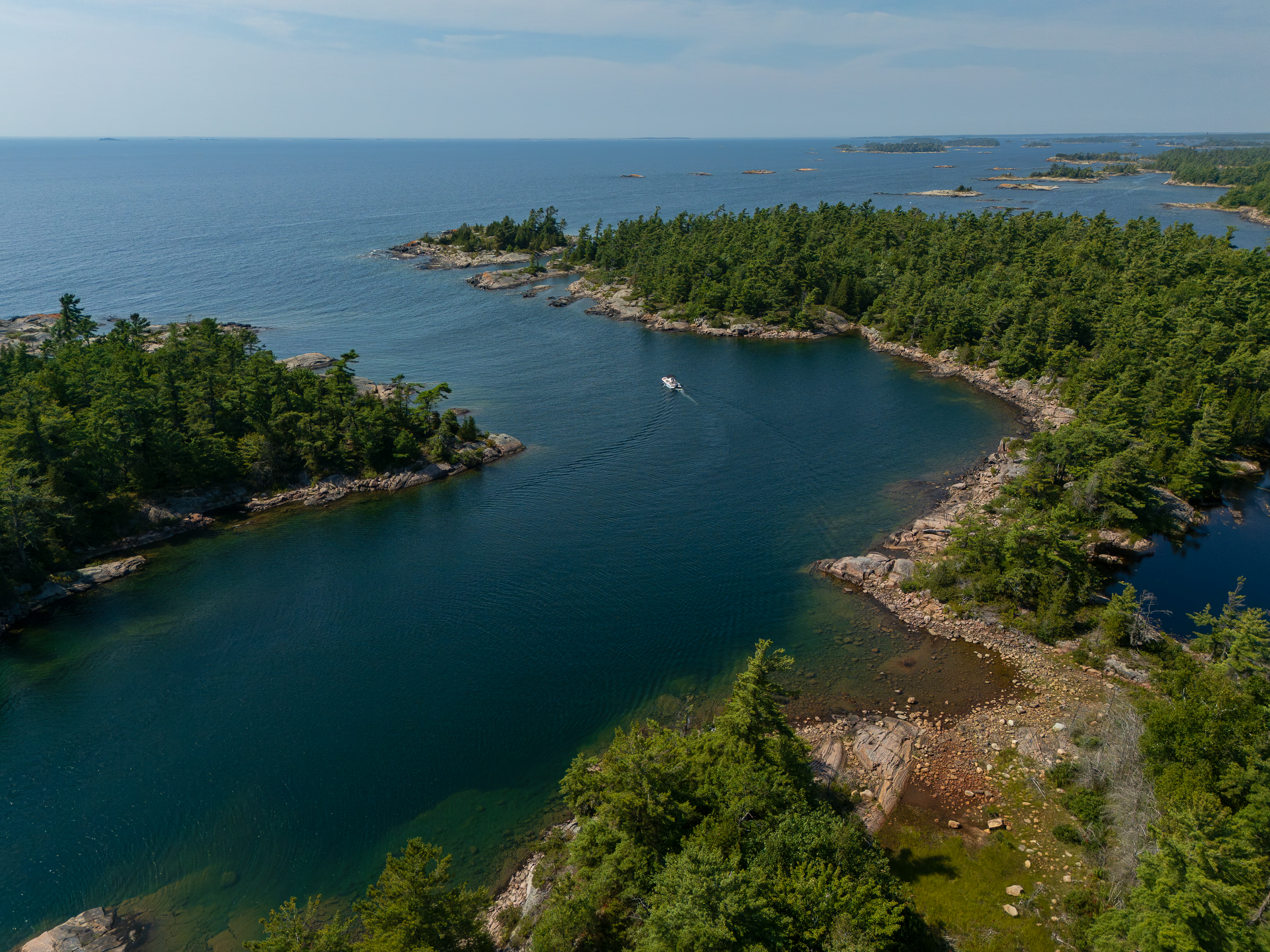
The drone showed that the island where Lily and I had previously camped was unoccupied, and I decided to move. Packing took time, and I didn’t leave until mid-afternoon, but I took a scenic route through the channels between the islands and Franklin Island. When I arrived, though, the site was occupied again: a man and child were fishing on one side, and a woman was sunbathing near a motorboat on the other.
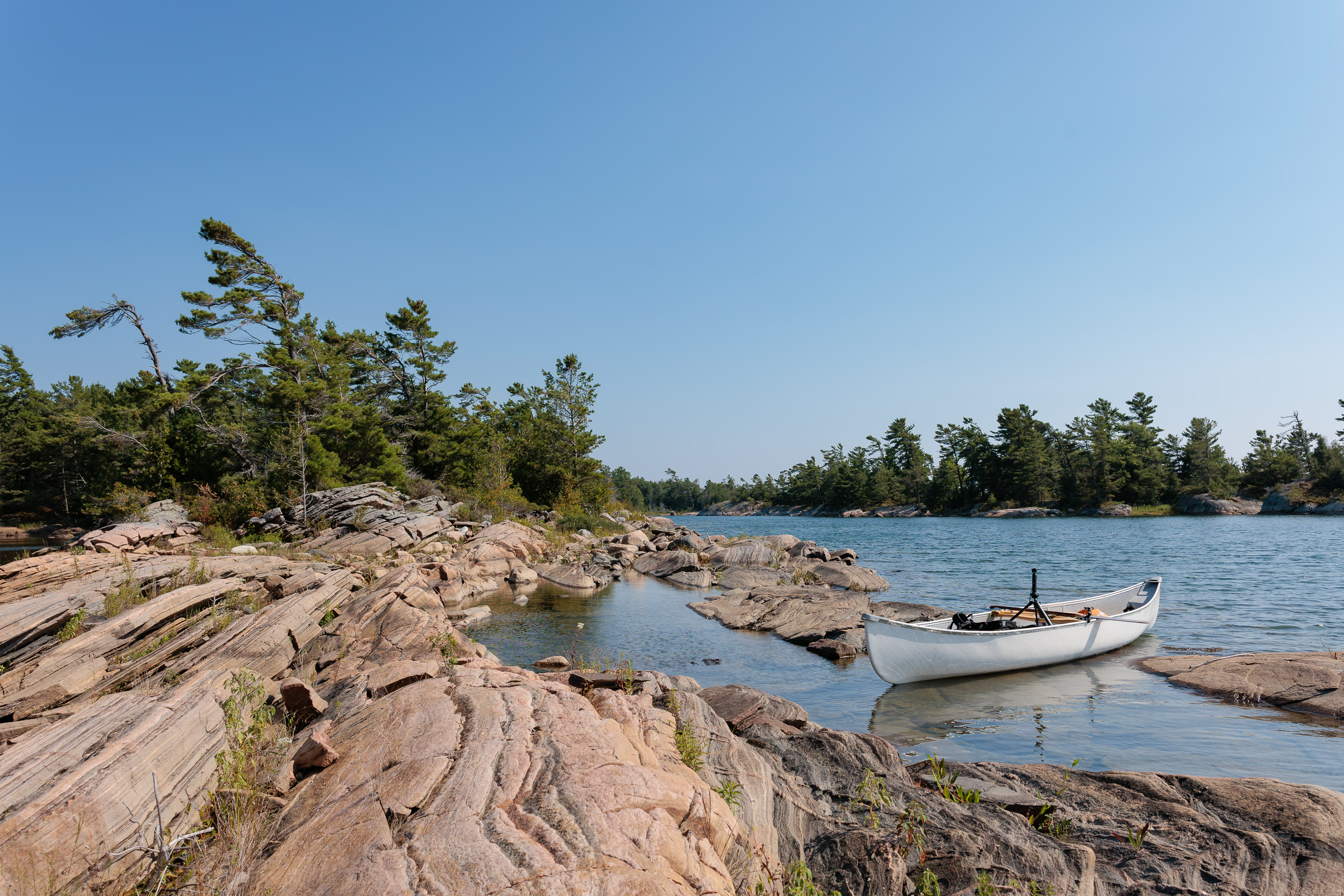
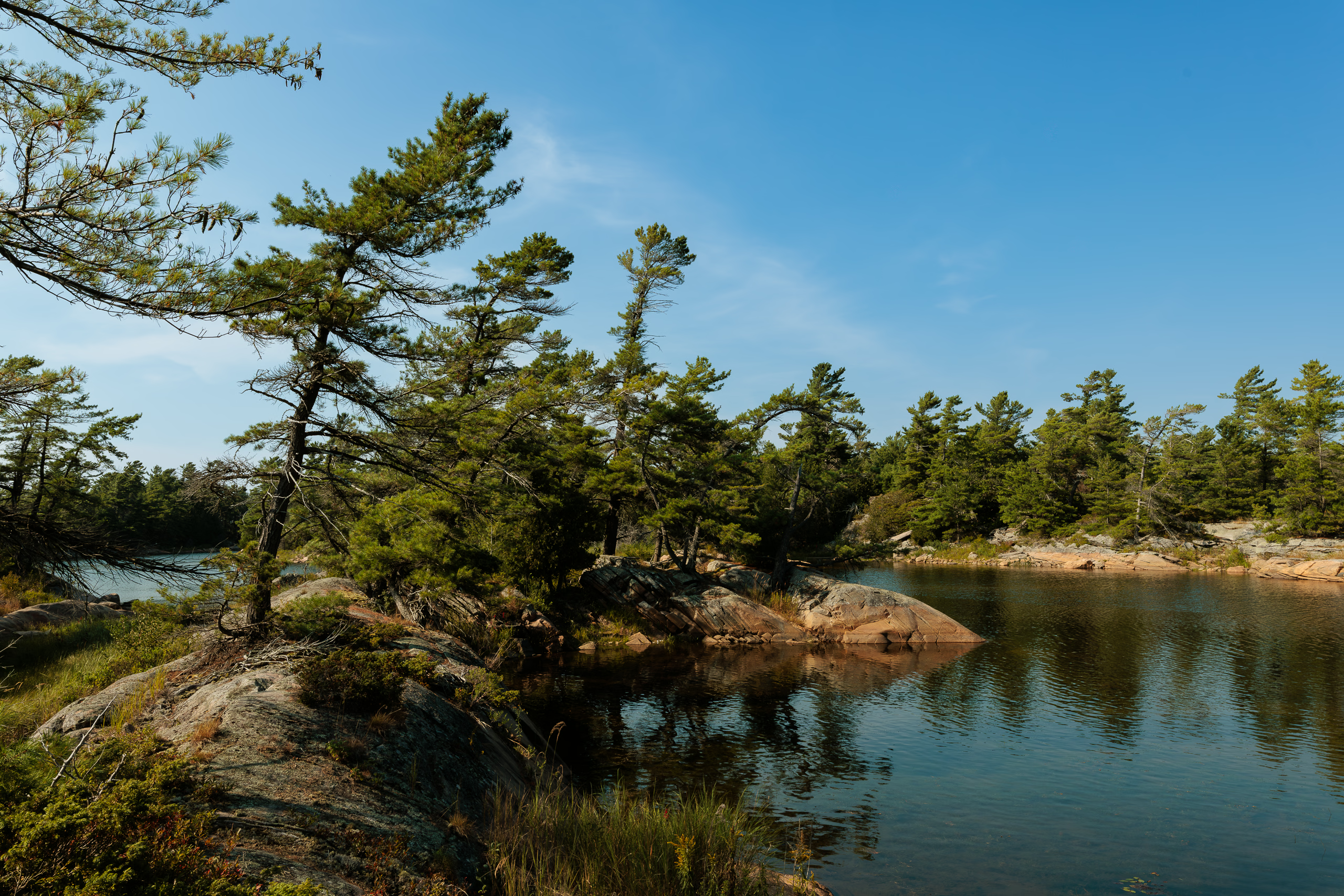
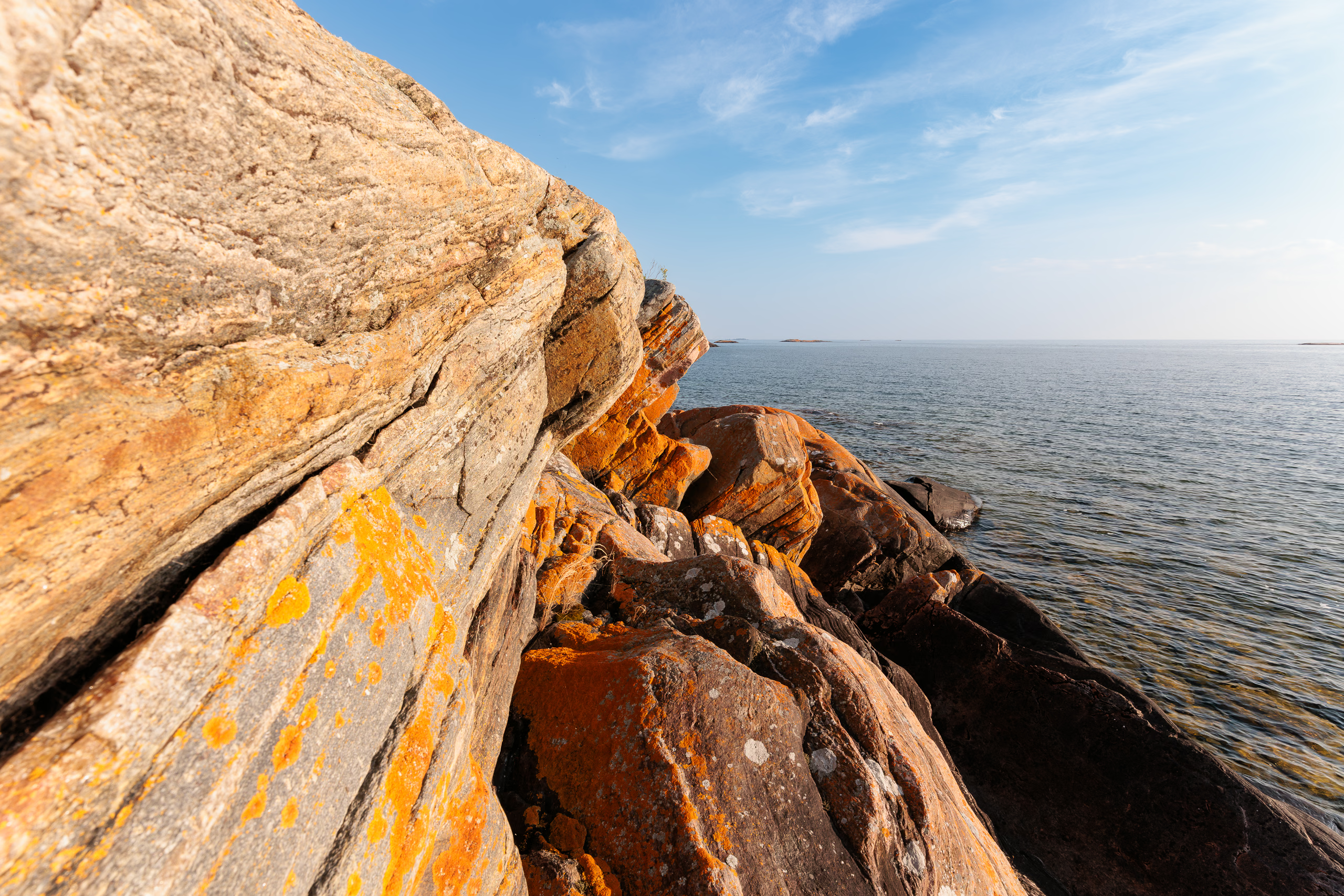
I kept paddling from island to island in search of another suitable site, but nothing looked right. It was hot, past 18:00, and the accumulated heat, insects, and uncertainty were wearing me down, so I decided to end the trip and paddle back to the car. On the way, I saw a bald eagle perched atop a tree, and later I watched the Sun drop behind a dark band of clouds, sending crepuscular rays across the sky.
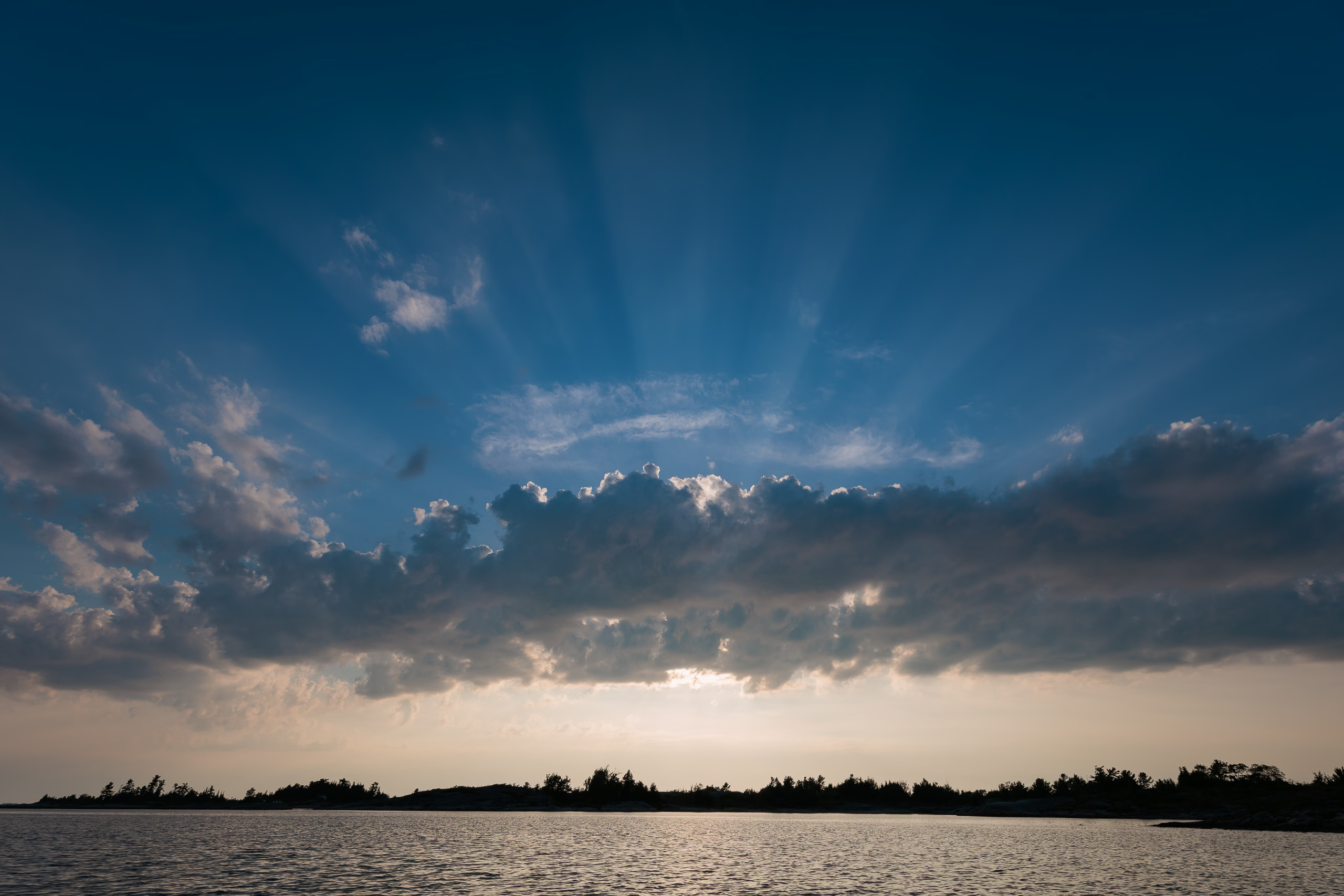
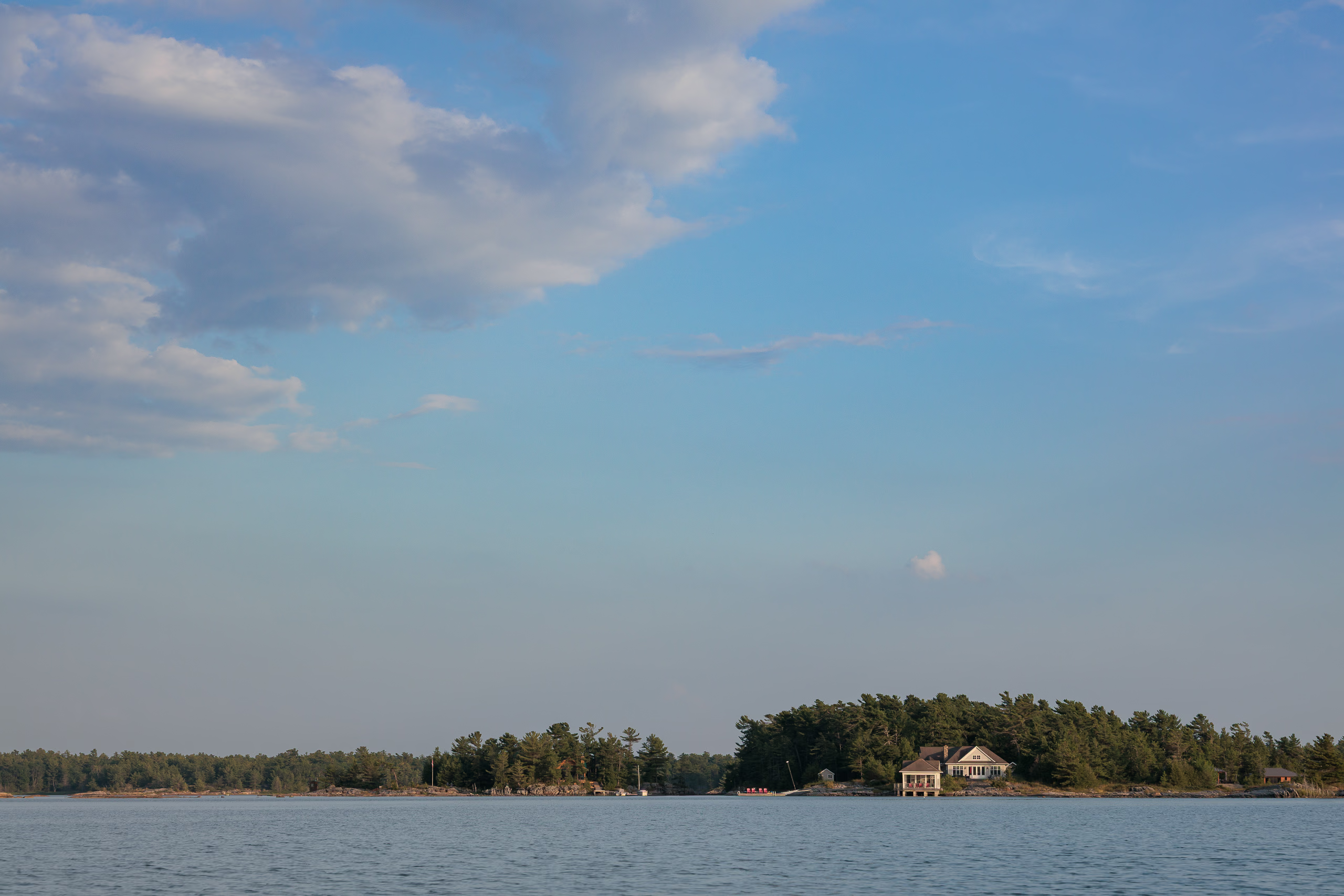
This was ultimately not the trip I had envisioned, but it was a successful night camping alone for the first time in my life, and it helped me find an excellent island for future trips (with better insect protection).
Hi Paul,
Thanks for sharing your adventure, I’ve really enjoyed reading about this one and the others you have posted.
I am wondering, where did you part at Dillon Cove’s? Did you have to pay to park?
Paid parking at Dillon Cove Marina & Resort with a $10 dollar per day rate.